
Impact Beyond Borders


Sewing Seeds: Helping Women Rebuild After Genocide
There are moments in history that leave wounds too deep for words.
In East Central Africa, the aftermath of genocide left entire communities broken. Millions of men, fathers, husbands, brothers, and sons were lost. Behind them were women carrying the weight of families alone, many with little income, little protection, and almost no support.
Some had been left with next to nothing.
No savings.
No structure.
No clear path forward.
For many widows and vulnerable families, survival became a daily battle.
This is where the Juice Doctor felt called to act.
Not from a distance. Not with empty sympathy. But with practical love, compassion, and a deep belief that people should not simply be helped to survive, they should be helped to rise.
Image
Having grown up in a single parent household himself, Erran understood something of that burden. He knew what it meant for one parent to carry responsibility, pressure, fear, hope, and sacrifice all at once.
That understanding shaped the heart of the project.
The goal was never to create dependency.
The goal was dignity.
From Crisis to Confidence
Through his charitable arm, Vivo Hope Foundation, in partnership with a local Christian charity, Erran helped deliver essential support to vulnerable women and families who had been deeply affected by genocide.
He recognised that while emergency help could get families through the day, skills could help them build a future.
So the vision grew.
What if women who had suffered unimaginable loss could be equipped to create, produce, earn, lead, and provide?
What if their natural creativity could become a source of income?
What if a sewing machine could become more than a machine?
What if it could become a doorway back to independence?
That vision became Sewing Seeds.


These Were Not Handouts. They Were Tools.
Sewing machines were provided. Training programmes were created. A dedicated unit was established. Tutors were employed. A project manager was brought in to oversee the women’s educational development and practical training.
Women were taught creative design, sewing, production, and enterprise skills.
They learned how to make garments and useful items that could serve local markets. They gained confidence, structure, discipline, and hope. They began to see that their hands could produce something valuable.
And with each stitch, something deeper was being repaired.
Not just fabric. Confidence. Identity. Possibility. Dignity.
Women who had once been left to fend for themselves began learning how to build small businesses, support their children, and stand again with strength.
Sewing Seeds became a place of restoration. A place where grief was not ignored, but where it no longer had the final word.
A Project That Began to Grow
The impact was powerful.
As the women developed their skills, the project began to gain attention. Word spread to other communities. More women heard what was happening and wanted to take part.
But many could not attend.
Some lived too far away. Others had no money for transport. Many were in rural areas where opportunity was almost impossible to reach.
So the work expanded.
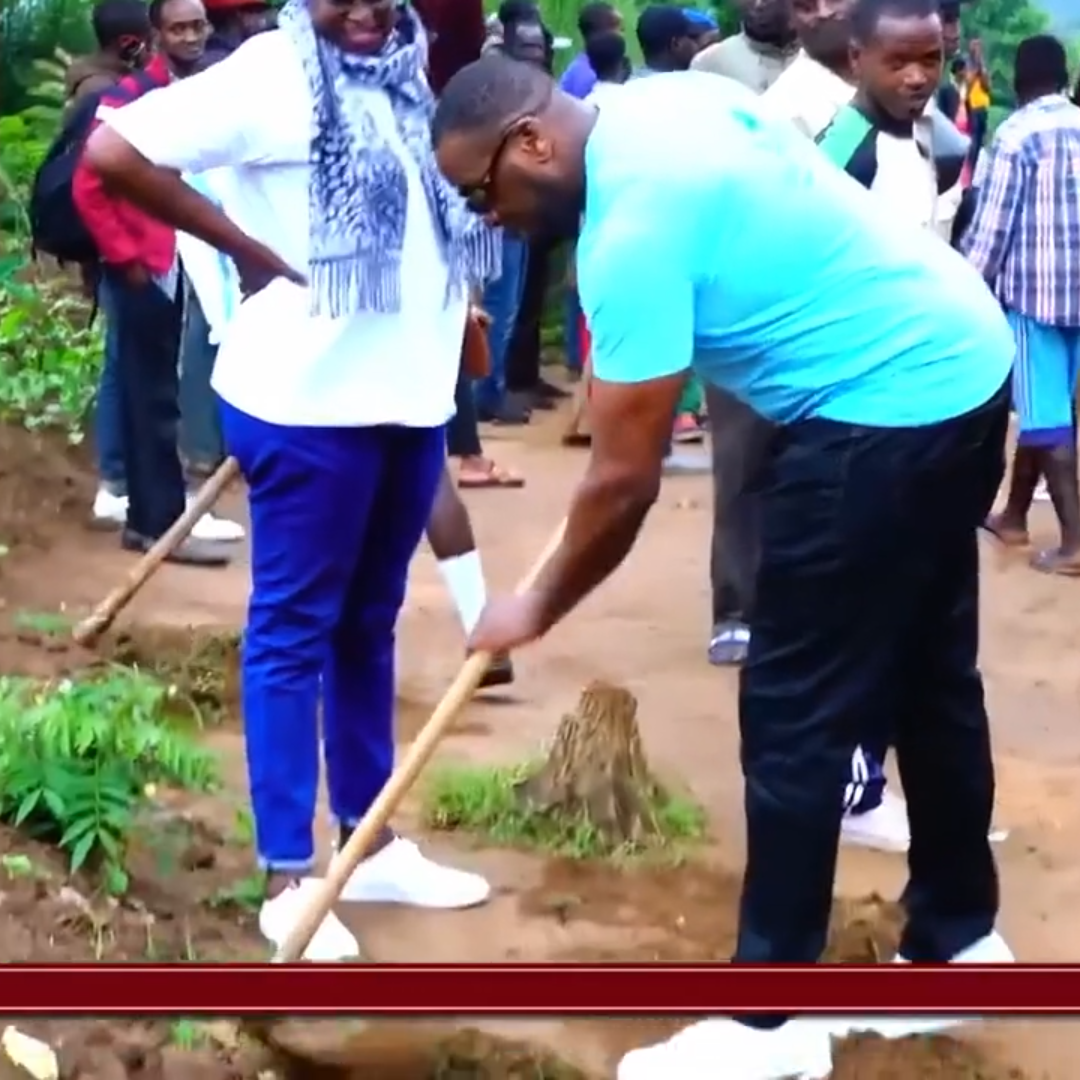
Another project was set up in a rural area, bringing training and empowerment closer to women who otherwise would have been left out.
The mission remained the same: meet women where they are, equip them with practical skills, and help them move from survival to self-sufficiency.